 0418 871 934



Burst Pipe in Perth? What to Do First
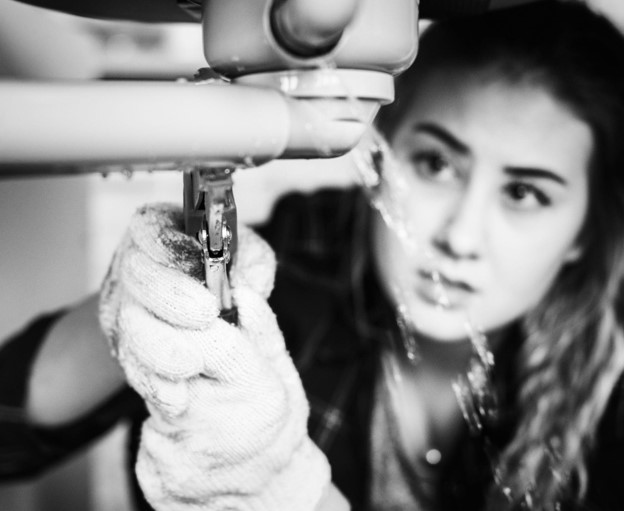
A burst pipe can quickly become a serious plumbing emergency, causing water damage to your home, damaging belongings and potentially creating electrical hazards.
Whether a pipe bursts in your kitchen, bathroom, laundry or underground, knowing what to do first can help minimise the damage and make repairs easier.
In this guide, we explain what you need to do if you have a burst pipe in your home, how to manage the immediate risks, what causes pipes to burst and when to call a professional plumber.
What to Do If You Have a Burst Pipe
1. Turn Off Your Main Water Supply Immediately
The first thing to do when you have a burst pipe is stop the flow of water. Locate your property’s main water shut-off valve and turn it off. Depending on your home, the valve may be near the water meter, close to where the water supply enters the property or in another accessible location.
If you live in an apartment or unit, the isolation valve may be inside your property or in a shared service area. If you cannot locate it, contact your building manager right away.
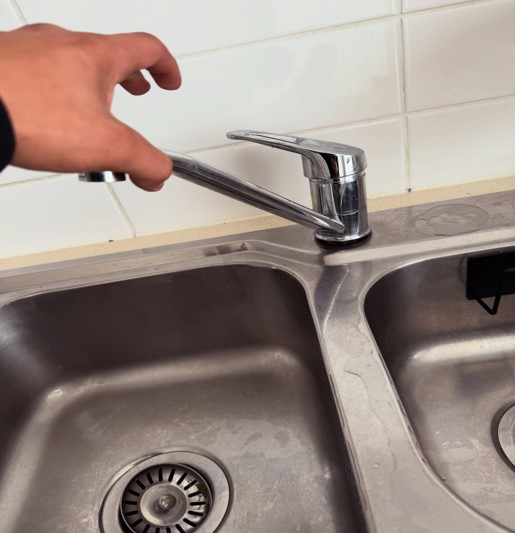
Once the water supply has been shut off, open suitable cold-water taps to help release pressure and drain the remaining water from the pipes. Avoid operating hot-water taps until you have checked the system’s requirements and safely isolated the hot-water unit if necessary.
If you cannot locate the shut-off valve or the water continues flowing, contact your water provider or a licensed plumber for assistance.
Do not attempt to reach a valve through a flooded area as you could be exposed to electrical hazards or other dangers. Your safety should always come first.
2. Switch Off Electricity If It Is Safe
Water from a burst pipe can reach power points, electrical appliances, lighting fixtures and wiring. This creates a very dangerous situation, especially when water spreads across floors or enters wall cavities.
If the affected area contains electrical equipment or standing water, keep your distance. Never touch a wet appliance, power point or switch.
If you can safely access the electrical switchboard without entering a wet area, you may be able to isolate the affected circuit. If the switchboard or the path to it has water, do not approach it. Contact a licensed electrician or emergency services.
Avoid using electrical equipment in the affected area until it has been assessed and confirmed safe.
3. Identify the Source of the Burst Pipe
Once the water supply is off and the immediate hazards have been addressed, try to find where the water is coming from.
Common signs of a burst pipe include:
- Water pooling around kitchen or bathroom cupboards.
- Damp patches appearing on walls or ceilings.
- Bubbling paint, peeling wallpaper or swollen skirting boards.
- Unexplained drops in water pressure.
- Water collecting around outdoor taps or garden areas.
- Hissing sounds or the sound of running water when taps are closed.
- An unexpectedly high water bill.
Not every burst pipe is visible. Some leaks occur behind walls, beneath concrete slabs or underground, making the source difficult to locate.
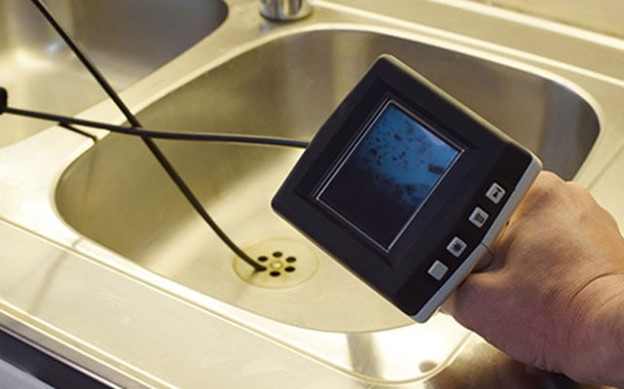
At MCN Plumbing Perth, we use leak-detection equipment to investigate the problem and find the location of the damaged section.
4. Limit Water Damage While You Wait for a Plumber
Once the water supply has been turned off, focus on protecting your property and belongings.
Move furniture, electrical equipment, rugs, important documents and valuables away from the affected area if it is safe to do so. Use buckets to collect dripping water and towels or mops to soak up water.
If water is leaking through a ceiling, keep away from the affected area. A waterlogged ceiling can become unstable, particularly if it begins to sag or bulge. Do not stand underneath it or attempt to puncture it to release trapped water.
For larger leaks or extensive flooding, professional water-damage restoration may be required. Water can travel beneath floor coverings and into wall cavities, so visible drying alone may not resolve the problem.
Avoid using household electrical appliances to dry flooded areas until the electrical safety of the space has been confirmed.
5. Contact a Licensed Plumber in Perth
Once you have taken all safety precautions, contact a qualified plumber to investigate the burst pipe and arrange repairs.
MCN Plumbing Perth can identify the source of the leak, assess the condition of the affected pipework and recommend an appropriate solution. We can also check for additional damage that may not be obvious during the initial inspection.
When contacting MCN Plumbing Perth, tell us:
- Where the burst pipe appears to be located.
- Whether the water supply has been turned off.
- How much water has escaped and whether the leak is continuing.
- Whether walls, ceilings, flooring or electrical areas have been affected.
- Whether you have noticed previous leaks or plumbing problems.
Providing these details helps our team understand the situation and determine the next steps.
Homeowners needing a reliable plumber in North Perth, Osborne Park, Riverton, Scarborough and South Perth should call MCN Plumbing right away.
6. Document the Damage for Insurance Purposes
A burst pipe can cause damage that extends beyond the plumbing itself. Depending on the circumstances, you may need to contact your home insurer to discuss the damage and any potential claim.
Where it is safe and practical, take photographs and videos of the burst pipe, visible water damage and affected belongings before cleaning begins.
Keep copies of plumbing invoices, repair quotes, restoration costs and any correspondence with your insurer. Make a note of when the problem was discovered and the steps you took to limit further damage.
Do not delay urgent work needed to make the property safe or prevent further damage while waiting for an insurance decision.
What Causes Pipes to Burst?
The most common causes of burst pipes that we see are:
Ageing or Deteriorating Pipes
Older plumbing systems can develop corrosion, cracks and weakened joints over time. As pipe materials deteriorate, they may become more susceptible to leaks and sudden failures.
If your home has ageing pipework or a history of recurring leaks, consider arranging a plumbing inspection to assess its condition.
High Water Pressure
Excessive water pressure can place additional stress on pipes, joints, fittings and valves. Over time, this stress may contribute to leaks or pipe failure.
A plumber can assess your water pressure and determine whether a pressure-limiting device or other corrective work is appropriate.
Tree Roots and Underground Pipe Damage
Tree roots can enter existing cracks or joints in underground plumbing and contribute to blockages or pipe damage. Ground movement, nearby excavation and deteriorating pipe materials can also affect underground pipework.
If you notice persistent wet patches in your garden, unexplained water loss or recurring drainage issues, arrange a professional investigation.
Poor Installation or Damaged Fittings
Incorrectly installed pipework, unsuitable materials and weakened connections can increase the likelihood of plumbing failures. Accidental damage during renovations or landscaping may also cause pipes to leak or rupture.
Professional repairs help ensure the affected pipework is restored using suitable materials and methods.
Temperature Changes and Environmental Stress
Although Perth does not experience the prolonged freezing conditions like other parts of the country, pipes can still be affected by environmental exposure, movement and general wear.
Outdoor pipework, exposed fittings and plumbing in vulnerable locations should be maintained appropriately to reduce the risk of damage.
How Is a Burst Pipe Repaired?
The repair depends on the pipe material, the location of the damage and the severity of the leak.
During an inspection, your plumber will typically assess the affected plumbing system, identify the damaged section and determine whether the pipe can be repaired or needs replacing.
Common repair jobs include:
- Pipe section replacement: The damaged section is removed and replaced with compatible pipework.
- Joint or fitting repairs: A failed connection or fitting is repaired or replaced where appropriate.
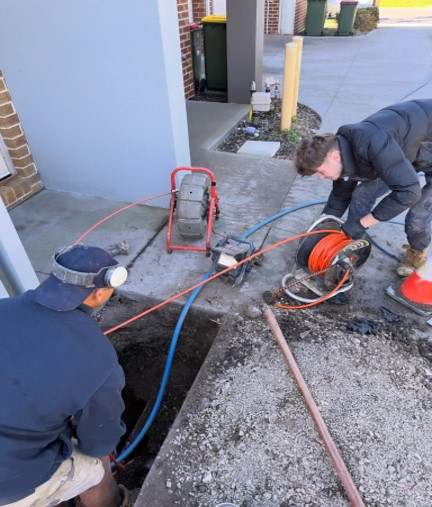
- Underground pipe repairs: The plumber determines the most suitable method based on the pipe’s location, condition and accessibility.
- Leak detection: Specialised equipment may be used to locate hidden leaks and minimise unnecessary excavation or disruption.
After the repair, your plumber will carry out appropriate checks to confirm that the plumbing system is functioning correctly and that the repaired section is not leaking.
Should You Attempt a Temporary Burst Pipe Repair?
Temporary pipe repair products, such as repair tape, clamps or epoxy putty, are sometimes used to control small leaks. However, they are not suitable for every type of pipe or every plumbing emergency.
If the pipe has a significant split, water is flowing forcefully, or the damaged section is concealed behind a wall or beneath the ground, a temporary DIY repair won’t work.
Attempting to repair a pressurised pipe without the correct equipment and experience can also make the problem worse.
The safest approach is to leave the water supply switched off and arrange a professional assessment. The team at MCN Plumbing Perth can determine whether the damaged section needs a local repair, replacement or a more extensive solution.
If you have already applied a temporary repair, let us know when we arrive. This information can help them assess the condition of the pipe and plan the right repair.
Call MCN Plumbing Perth Today
A burst pipe can cause extensive damage if it is not addressed promptly. Knowing what to do first can help protect your home, reduce the spread of water and make the repair process less stressful.
MCN Plumbing Perth can assist homeowners looking for plumbers in Subiaco, Thornlie, Wattle Grove and Wembley.
Contact MCN Plumbing Perth today on 0418 871 934 to discuss the problem and arrange an assessment.